

If you were not eligible for a Marketplace subsidy this year, don’t wait until Open Enrollment to start thinking about 2027.
Every fall, I receive calls from people asking if there’s anything we can do to lower their health insurance premiums.
Sometimes the answer is yes.
But many times, the opportunity to make the biggest difference has already passed.
The reality is that health insurance planning doesn’t begin in November—it begins months earlier.
If you’re self-employed, retired before Medicare, living off retirement income, or have fluctuating income, August is one of the best times to begin building your strategy.
Why August Is the Best Time to Plan for 2027 Health Insurance
By the time Marketplace Open Enrollment begins, most people simply need to estimate their income and enroll.
That’s not the time to begin:
- Income planning
- Tax planning
- Retirement withdrawal strategies
- Changing providers
- Evaluating employer coverage
- Comparing Marketplace and private plans
Those conversations should happen well before enrollment season begins.
As an independent health insurance broker, I help clients look at their entire situation—not just compare premiums.
Current 2026 Marketplace Income Limits (Used for 2027 Planning)
The federal government has not yet released the 2027 Federal Poverty Level guidelines, so these current numbers are simply a planning reference.
The income limits below represent approximately 400% of the Federal Poverty Level, which under current rules is generally where Marketplace premium tax credit eligibility phases out.
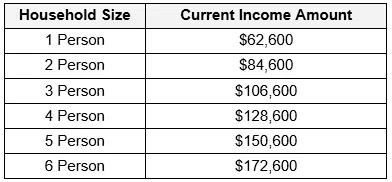
Important: These are the current 2026 Marketplace guidelines. The 2027 amounts will likely increase somewhat, and Congress or federal agencies could still make additional changes before the next enrollment period.
Who Should Be Planning Now?
This is especially important if you are:
- Self-employed
- A small business owner
- An independent contractor (1099)
- Retired before age 65
- Living on retirement accounts
- Living on investment income
- Working part-time before Medicare
- Receiving income that changes throughout the year
7 Health Insurance Strategies to Consider for 2027
Every family’s situation is different. These ideas won’t apply to everyone, but they’re often worth discussing before Open Enrollment begins.
1. Estimate Your 2027 Income Now
One of the biggest mistakes I see is waiting until October or November to figure out income.
If your income changes throughout the year, estimating it early gives you more time to make informed decisions.
For Marketplace coverage, your Modified Adjusted Gross Income (MAGI) can make a significant difference in what assistance you qualify for.
2. Talk With Your Tax Advisor About Income Timing
I am not a tax advisor.
However, if you’re retired early or living off retirement accounts, this is an excellent time to talk with your CPA or tax professional.
For example:
Perhaps you’re planning to withdraw money from an IRA or 401(k) throughout 2027 to cover living expenses.
Ask your tax advisor whether it makes sense to take some—or in some cases, most—of the money you’ll need during 2026 instead, rather than having it all count toward your 2027 taxable income.
This is not the right strategy for everyone.
There may be tax consequences.
However, for some households, careful income planning could:
- Keep income below current Marketplace subsidy thresholds
- Reduce annual health insurance premiums
- Potentially qualify for additional Marketplace assistance
Every situation is different, which is why these conversations should happen with your tax advisor.
3. Cost Sharing Reductions Could Be Worth Thousands
Many people only think about premium tax credits.
They forget about Cost Sharing Reductions (CSR).
If your household income falls within qualifying ranges, a Silver Marketplace plan may offer:
- Lower deductibles
- Lower copays
- Lower coinsurance
- Lower annual out-of-pocket maximums
These richer benefits can sometimes save families thousands of dollars beyond premium assistance alone.
I’ll cover Cost Sharing Reductions in greater detail in another article.
4. Don’t Assume the Marketplace Is Your Only Option
If you do not qualify for subsidies and your family is generally healthy, Marketplace coverage may not be your best fit.
There are medically underwritten health plans available outside the Marketplace.
These plans are not appropriate for everyone, and they require health underwriting.
However, for healthy individuals or families who mainly want protection against unexpected major medical expenses, these plans can sometimes cost 40% to 60% less than an unsubsidized Marketplace plan.
Many of these plans are also available year-round instead of only during Open Enrollment.
5. Families Don’t Always Need the Same Type of Coverage
Many people assume the entire family must enroll in one health plan.
That isn’t always the most affordable option.
For example:
Here in Florida, it may make sense to compare Marketplace coverage with Florida KidCare for your children.
Even when families pay the full premium for Florida KidCare, it can sometimes cost less than adding children to an unsubsidized Marketplace plan.
In many cases, benefits for children are also richer.
Parents and children don’t always have to be enrolled in the same type of coverage.
6. Is Keeping Your Current Doctor Worth Thousands?
I completely understand wanting to stay with a physician you’ve trusted for years.
But I also meet families paying double—or even triple—the premium simply to keep access to one provider or one hospital system.
Ask yourself:
- Would another physician meet my needs?
- Could I establish care with someone new before Open Enrollment?
- Would changing networks save thousands each year?
Sometimes changing providers creates opportunities that weren’t financially possible otherwise.
7. Consider Direct Primary Care
Direct Primary Care (DPC) is becoming increasingly popular.
Instead of traditional insurance for primary care, patients pay a monthly membership directly to a physician.
Many memberships include:
- Unlimited primary care visits
- Longer appointments
- Same-day scheduling
- Direct communication with your doctor
- Personalized care
Some healthy individuals pair Direct Primary Care with catastrophic or high-deductible health coverage as part of an overall strategy.
Like every option, this isn’t right for everyone, but it’s worth discussing.
8. Review Your Employer Coverage Carefully
Just because your employer offers health insurance doesn’t automatically mean your entire family should enroll.
Sometimes:
- The employee stays on the employer plan.
- The spouse enrolls elsewhere.
- Children qualify for different coverage.
Comparing multiple combinations can sometimes save families substantial money.
Why These Conversations Can’t Wait Until Open Enrollment
By October or November, many of these decisions have already been made.
Income has largely been earned.
Retirement withdrawals have often already occurred.
Tax planning opportunities may be gone.
Provider changes may not happen before enrollment.
Marketplace enrollment is a busy season.
That’s why I encourage clients to begin planning during August whenever possible.
Planning early gives us time to explore multiple strategies instead of rushing through enrollment.
Let’s Build Your 2027 Health Insurance Strategy
If you’re already worried about your 2027 premiums, now is the time to start planning.
I work with individuals, families, retirees, self-employed business owners, and small employers to compare health insurance options and develop strategies based on their unique situations.
While I can’t provide tax advice, I often work alongside clients and their tax professionals so we can consider both the tax and health insurance implications of different decisions.
If you want to build a strategy instead of simply buying a health plan, contact me during August.
Open Enrollment will be here before you know it.
Frequently Asked Questions
When should I start planning for 2027 health insurance?
Ideally, before Open Enrollment begins. August and September provide more time to estimate income, evaluate plan options, discuss tax strategies with your CPA, and compare coverage.
What is the income limit for Marketplace subsidies?
Under current 2026 guidelines, Marketplace premium tax credits generally phase out around:
- 1 person: $62,600
- 2 people: $84,600
- 3 people: $106,600
- 4 people: $128,600
- 5 people: $150,600
- 6 people: $172,600
The 2027 figures have not yet been released and are expected to change.
Can retirement withdrawals affect Marketplace subsidies?
Yes. Withdrawals that count toward your Modified Adjusted Gross Income (MAGI) can affect eligibility for Marketplace premium tax credits. Speak with your tax advisor before making withdrawal decisions.
Can self-employed people qualify for Marketplace subsidies?
Absolutely. Eligibility is based on household income and other factors, not simply self-employment status. Many self-employed individuals qualify for financial assistance.
Are private health insurance plans cheaper than Marketplace plans?
Sometimes. Healthy individuals who don’t qualify for Marketplace subsidies may find medically underwritten plans that cost significantly less. However, these plans aren’t appropriate for everyone and have different eligibility rules and benefits.
What is Florida KidCare?
Florida KidCare is Florida’s children’s health insurance program. Depending on household circumstances, it may provide a more affordable option for children than adding them to a Marketplace plan.
Can my spouse and children have different health insurance than I do?
Yes. In many situations, splitting family coverage across different plans can reduce overall costs while still meeting each family member’s needs.
Do I need a tax advisor before changing my health insurance strategy?
If your strategy involves managing taxable income, retirement withdrawals, or investment income, yes. I provide health insurance guidance, but tax planning decisions should always be made with a qualified tax professional.

Founder & Licensed Insurance Agent at Mere Benefits — RSSA®, CMIP®. Independent, no-pressure guidance across Northeast Florida & Camden County, GA. This article is educational and not medical, tax, or legal advice.
Questions about your own situation?
Kate can turn this into a specific answer for you — free, and with no pressure.