
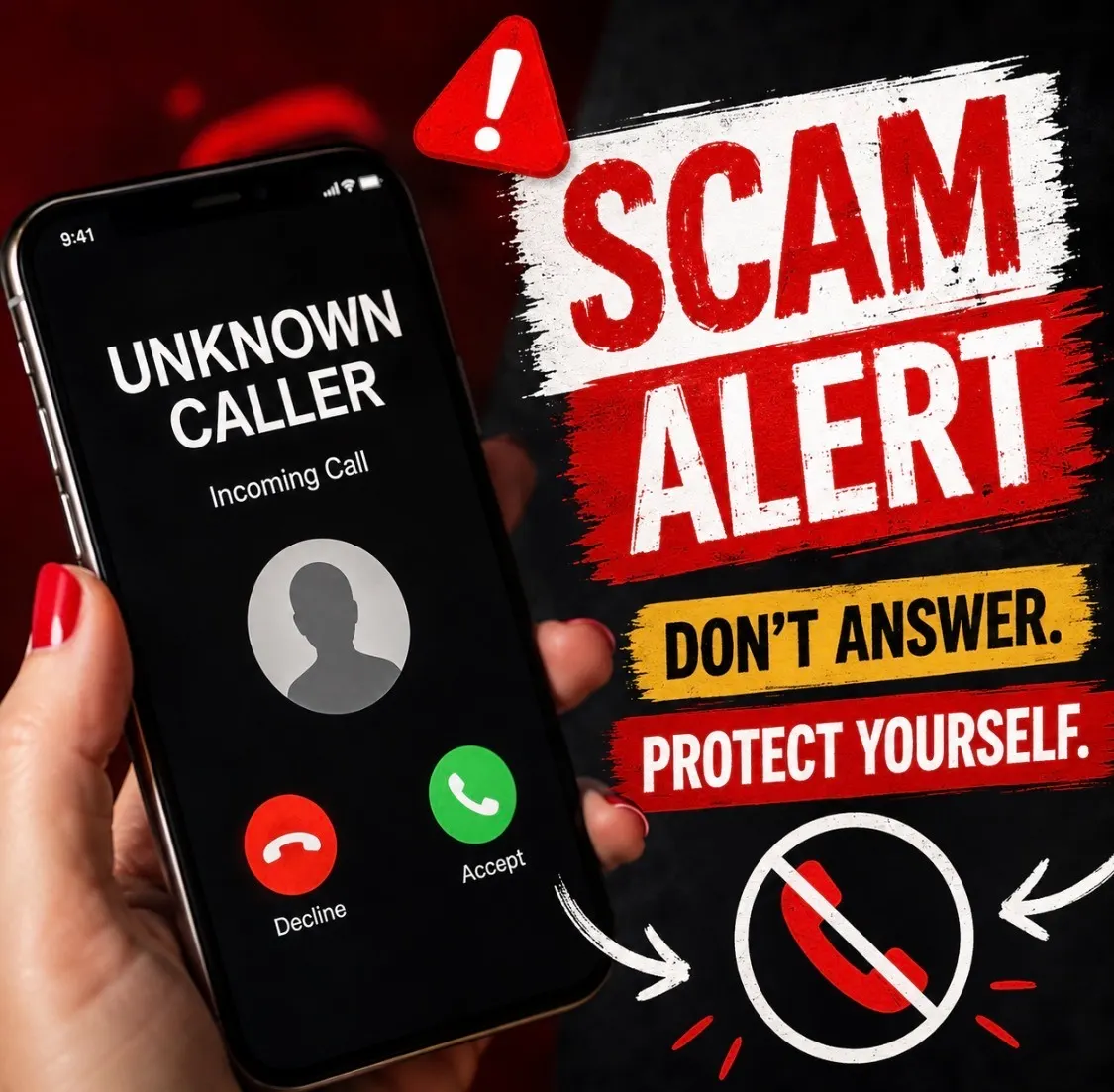
Every day, millions of Americans receive calls from unknown numbers. Some are legitimate. Many are not.
As a licensed health insurance agent, I’ve seen firsthand how scam calls can do more than just interrupt your day. They can lead to identity theft, financial loss, and even unauthorized changes to Medicare or health insurance coverage.
Knowing how these scams work can help you protect yourself and your family.
Why Do Scam Calls Increase After You Answer?
Many scam operations use automated dialing systems that call thousands of phone numbers every day.
When someone answers, the system often marks that number as active. Once your number is identified as belonging to someone who answers unknown calls, it may receive even more scam calls in the future. In some cases, phone numbers may even be shared or sold among scammers.
This is one reason many people feel like the spam calls never stop after answering just one.
Can Saying “Yes” Really Be Dangerous?
You’ve probably heard the warning to never say “yes” during a phone call.
The reality is a little more complicated.
Simply saying “yes” doesn’t automatically authorize charges to your bank account or credit card. However, scammers can use recorded conversations as part of deceptive sales practices.
This is especially concerning for Medicare beneficiaries.
I’ve personally worked with clients who discovered they had been enrolled in a Medicare Advantage or Part D plan after responding to confusing or misleading telemarketing calls. While federal rules require permission to enroll someone in a plan, dishonest marketers sometimes use aggressive tactics that leave beneficiaries confused about what they agreed to.
The safest approach is simple:
If you didn’t initiate the call and you’re unsure who you’re speaking with, don’t provide personal information or agree to anything.
Common Health Insurance Scam Calls
Scammers frequently pretend to represent:
- Medicare
- Social Security
- Your health insurance company
- The Marketplace (Affordable Care Act)
- Prescription drug programs
- Medical equipment companies
They may claim you qualify for new benefits, free medical equipment, extra money, or a better insurance plan.
Many of these calls are designed to collect personal information or persuade you to switch health plans without fully understanding the consequences.
How to Protect Yourself From Scam Calls
Following a few simple habits can dramatically reduce your risk.
Let Unknown Numbers Go to Voicemail
If the call is important, the caller will usually leave a voicemail.
Save Important Numbers in Your Phone
Add contacts for:
- Your insurance agent
- Your doctor’s office
- Your pharmacy
- Family members
- Specialists you regularly see
This makes it much easier to recognize legitimate calls.
Never Give Personal Information to Someone Who Called You
Do not provide your:
- Medicare number
- Social Security number
- Banking information
- Credit card information
- Date of birth
Instead, hang up and call the organization directly using the phone number on your insurance card or their official website.
Don’t Press Numbers to “Be Removed”
Many scam calls tell you to “Press 2 to stop receiving calls.”
Doing so may simply confirm your number is active.
Block Obvious Scam Numbers
While scammers frequently change phone numbers, blocking repeat offenders can still reduce unwanted calls.
What Medicare Beneficiaries Should Know
If someone calls claiming they’re “from Medicare,” be cautious.
Medicare generally does not make unsolicited sales calls asking you to enroll in a plan.
If you’re considering changing Medicare coverage, it’s always safer to work with a licensed agent you know and trust or contact Medicare directly.
If you’re ever unsure whether a phone call is legitimate, hang up first. You can always call back using an official phone number.
Final Thoughts
Scammers continue to become more sophisticated every year.
The good news is that a few simple precautions can greatly reduce your chances of becoming a victim.
If you have questions about a phone call regarding Medicare, Marketplace insurance, or your health insurance coverage, don’t guess.
Reach out before making any decisions. Sometimes a two-minute conversation can prevent months of frustration.
Frequently Asked Questions
Should I answer calls from unknown numbers?
If you aren’t expecting a call, it’s generally safer to let it go to voicemail.
Can scammers switch my Medicare plan without my knowledge?
Legitimate enrollment requires your consent, but deceptive telemarketing practices have resulted in some beneficiaries being enrolled in plans they didn’t fully understand. Always verify any enrollment confirmation you receive.
Should I save my insurance agent’s number?
Absolutely. Saving your insurance agent, doctors, pharmacy, and important family members in your contacts helps you quickly recognize legitimate calls.
What should I do if I think I’ve been scammed?
Contact your insurance agent immediately, review any recent insurance or financial changes, and report suspected Medicare fraud if appropriate.
Founder & Licensed Insurance Agent at Mere Benefits — RSSA®, CMIP®. Independent, no-pressure guidance across Northeast Florida & Camden County, GA. This article is educational and not medical, tax, or legal advice.
Questions about your own situation?
Kate can turn this into a specific answer for you — free, and with no pressure.